Habit Burger & Grill
- 4.7
- Rating
- 500.00K
- Installs
- Free
- Price
 Analysis by App-foxy
I installed Habit Burger & Grill to see whether its main promise—ordering a Habit meal online—actually makes getting a burger easier than using a browser, calling the restaurant, or ordering through a general delivery service. My overall impression is that this is a focused Food & Drink app rather than an all-purpose restaurant platform. It is built around the relationship between the customer and The Habit Restaurants, LLC, so its value depends heavily on whether you already visit Habit Burger & Grill and have a participating restaurant nearby.
The app is free, rated for Everyone, and works on Android devices running version 5.0 or later. It has been available since February 6, 2019, and the current version is 1.70. Those details matter less than the central experience: instead of browsing a huge marketplace, I can use a restaurant-specific ordering path. That narrower focus is both its biggest strength and its clearest limitation.
Online ordering is the feature that defines the experience
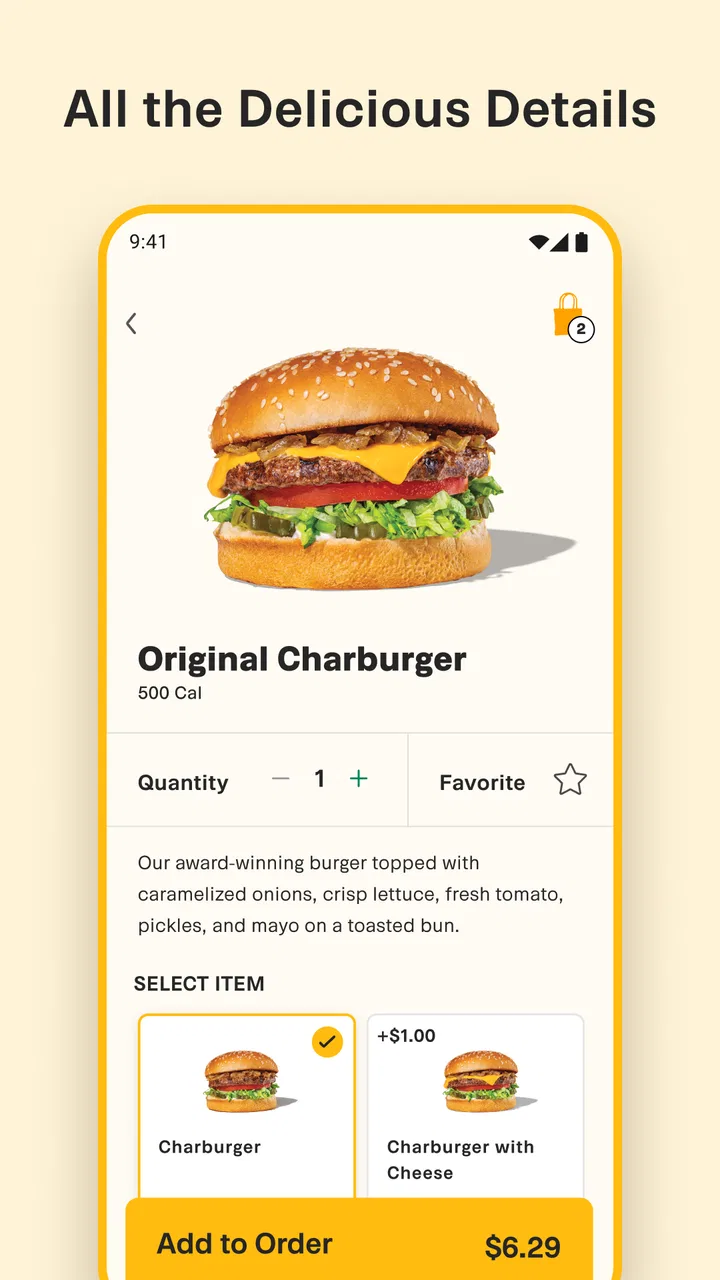
The useful capability here is not simply viewing a menu. It is the ability to move from deciding what I want to placing a Habit order in one dedicated place. That sounds straightforward, but it changes the rhythm of a meal decision. I am not comparing dozens of restaurants, filtering delivery areas, and sorting through unrelated promotions. I am dealing with one menu and one restaurant brand.
You May Also Like

 Blood Strike: 2.5 Anniversary
Blood Strike’s Loadouts Turn Every Drop Into a Tactical Gamble
A close look at Blood Strike’s custom loadouts: how fast access to signature weapons reshapes its battle royale rhythm, rewards preparation, and narrows the gap between fights.

 Pandora - Music & Podcasts
Pandora’s Music Is Easy to Start, but Harder to Recover
Pandora’s strength is its low-effort path from a seed to a station. Its weak spot is how much confidence it asks you to place in connection, setup, and quiet recovery.

 8 Ball Pool
 Is Built on Rivalries, Rematches, and Routine
A close look at the rivalries, rematches, shared routines, and unanswered safety questions that turn a quick pool match into a persistent mobile community.

 Samsung Music
’s Quiet Strength Is Playing What You Already Own
Its reach comes less from spectacle than from dependable access to a personal library. That simplicity is both the app’s strongest retention engine and its ceiling.

 AccuWeather: Weather Radar
AccuWeather Review: A Quick, Clear Forecast for Everyday Decisions
For everyday plans, the best forecast is the one you can understand quickly. AccuWeather makes rain timing, radar, and local conditions easy to act on, with a few trade-offs.

 Hill Climb Racing
Why Hill Climb Racing Still Turns Crashes Into One More Run
A tiny car, a bumpy hill and one more upgrade: Hill Climb Racing keeps resurfacing because its simple chaos makes every near-miss feel personal.
More From Our News Desk
View All News


For a regular customer, that focus can remove several small annoyances. I can start with the Habit menu, choose the kind of meal I want, adjust the order where the app allows it, and continue toward checkout without leaving the brand’s own environment. When I am already certain that I want a Charburger-style meal, a grilled chicken option, fries, or a drink, this direct route feels more appropriate than opening a broad delivery marketplace.
The app is at its best when the decision is “I want Habit” rather than “what should I eat?” That distinction is easy to overlook. A general food app is better for discovery, restaurant comparison, and delivery convenience across many businesses. Habit Burger & Grill is more useful after the restaurant choice has already been made.
I also like that the app’s purpose is immediately understandable. The store summary presents it as a way to order a burger online, and the short description identifies it simply as Habit Burger. There is no need to learn a complicated loyalty ecosystem or a social feed before reaching the practical part. For someone who wants to repeat a familiar meal, this kind of single-brand design can feel calmer than a crowded marketplace.
What the focused design changes
A restaurant-specific app can make repeat ordering more intentional. If I often buy the same meal, I am not repeatedly searching for the restaurant among unrelated listings. The app keeps my attention on Habit’s own menu and ordering flow. That is a modest advantage, but it becomes noticeable during a busy lunch break, when reducing decisions is more valuable than discovering something new.
There is also a useful trade-off in staying inside the restaurant’s own channel. The experience is centered on Habit Burger & Grill rather than on the rules and presentation of an outside marketplace. That may make the menu feel more consistent with what the restaurant itself wants customers to see. On the other hand, I lose the convenience of comparing delivery fees, estimated arrival times, and nearby restaurants in one place. The app is dedicated, not universal.
How I would use it in a normal order
In practice, I would open the app when I had already decided on Habit and wanted to avoid waiting at the counter. I would select the restaurant location that serves my area, browse the available menu, build the meal, and review the order before submitting it. The important habit is to check the selected location and the order details before confirming. A dedicated app does not remove the need to pay attention; it simply gives the ordering process a more direct home.
My advice is to treat the first order as a setup exercise rather than a race. Confirm that the restaurant location is the one I actually intend to use, look over every customization, and check whether the order is configured for the kind of fulfillment I want. That small pause is especially worthwhile when several Habit restaurants are within reach or when I am ordering for more than one person.
For a repeat meal, I would use the previous order as a mental template even if I still review each item manually. That is one of the more practical workflows for a brand-specific app: the app becomes a reliable starting point for something familiar, while I remain responsible for catching changes in toppings, sides, drinks, or quantities. I would not assume that a past order should be repeated without checking it.
Another useful approach is to build the order before everyone in the group becomes hungry. When ordering for a family or office, I would collect each person’s choices first, then enter them in one session. This reduces the chance of forgetting a side or mixing up similar meals. The app’s focused menu is helpful here because I am not switching between several restaurants, but the narrow catalog also means I need another option if one person wants food the Habit menu does not cover.
Questions worth answering before checkout
One question many users will have is whether this app is suitable for delivery. My practical answer is: do not choose it solely because it is a food-ordering app. The important issue is what the selected restaurant and ordering flow offer at the time I use it. If I need a guaranteed third-party delivery network, a broad delivery service may be a safer starting point. If I am happy with the restaurant’s available ordering options or intend to pick up the meal, the dedicated app makes more sense.
Another question is whether it replaces the restaurant’s website. For a customer who only orders occasionally, a mobile website may be enough. The app becomes more worthwhile when I repeatedly choose Habit and prefer having a dedicated mobile route. I would not install it just to order once from a location I may never visit again, unless the app provides a particular ordering convenience that matters to me.
People also wonder whether it is good for large or complicated orders. It can be useful because everything stays under one restaurant menu, but I would review a group order carefully before submitting it. A large order increases the cost of a small mistake, especially when several meals have similar names or different modifications. For an especially complex event, speaking directly with the restaurant may be less stressful than relying entirely on a mobile form.
A realistic lunch-break example
Imagine I am working from home with only a short break and I already know that I want a Habit burger, fries, and a drink. Opening a broad delivery app would force me to sort through competing restaurants and compare listings I do not need. With Habit Burger & Grill, I can go straight to the brand’s menu, make the order, and spend the remaining time on something else.
That scenario shows the app’s real effect better than a feature checklist does. It does not make food decisions for me. It reduces the distance between a specific craving and an order from the restaurant I have already chosen. The benefit is strongest when certainty is high and time is limited.
Now change the situation. Suppose I am hungry but undecided, one friend wants a salad from another restaurant, and another person needs a meal delivered from outside the Habit area. The dedicated app becomes less useful. I would probably start with a marketplace or a general restaurant search tool, because comparison and coordination matter more than a direct Habit ordering path.
Where the experience earns its place
The app’s strongest use case is repeat behavior. Habit customers who already know what they like can use a single-purpose tool without wading through unrelated menus. That includes a regular lunch order, a quick dinner after work, or a planned pickup while traveling through an area where a Habit location is convenient.
It can also help when I want to place an order before arriving. The advantage is not that the app somehow improves the food itself; it is that I can handle the ordering step away from the counter. For a person who dislikes making decisions while standing in line, that separation is valuable. I can review the meal at my own pace, especially when ordering for several people.
There is a subtle benefit for customers who care about staying with the restaurant’s own channel: the app keeps the experience tied to Habit Burger & Grill instead of presenting the restaurant as one tile among hundreds. That can make the brand’s menu easier to navigate. Still, I would not confuse a cleaner menu experience with a guarantee of faster preparation or better availability. The restaurant’s workload and the selected location remain important.
The app has attracted a substantial audience, with over 500 thousand installs, a 4.7 average from around 14 thousand ratings, and about 5.9 thousand written reviews. Those figures suggest that many customers find the concept useful, but they should not be treated as proof that every location or every order will feel identical. A restaurant app is partly a software experience and partly a local restaurant experience.
Small habits that improve the result
I would select the restaurant location before spending time customizing an order. That keeps the menu and fulfillment context connected to the place I actually plan to use.
I would review the cart slowly when ordering for other people. Similar meals can be easy to confuse, and correcting a mistake after submission is more difficult than catching it first.
I would use the app for planned orders rather than waiting until the last second. A mobile order can reduce counter time, but it cannot remove busy periods or preparation delays.
I would keep a general delivery app available for comparison. The Habit app is a specialist tool, not a replacement for every food-ordering situation.
These habits sound ordinary, but they reflect the main trade-off. The app streamlines a known choice; it does not manage the entire meal-planning problem. The more specific my intention is, the more useful the app becomes.
The trade-offs I noticed
The first limitation is obvious: the app is tied to one restaurant brand. If I want to compare Habit with another burger chain, a local independent restaurant, or a completely different cuisine, I need to leave it. That is not a flaw in the narrow sense, because the app is designed for Habit, but it affects whether the installation is worthwhile for occasional customers.
The second limitation is that convenience depends on location. A dedicated ordering flow only helps if the relevant Habit restaurant is accessible and offers the option I need. Someone living far from a location, traveling through an area without a convenient restaurant, or looking for a broad delivery radius may get more practical value from a multi-restaurant service.
The third trade-off is attention. A direct app can feel simple, but I still need to confirm the location, the order type, the selected items, and the final details. I would not recommend tapping through quickly while distracted. Restaurant orders are small enough to seem low-risk, yet a missing modification or incorrect quantity can make the experience frustrating.
I also think expectations should be realistic around app performance versus restaurant operations. The software can organize the order, but it cannot control how busy the kitchen is or how quickly a pickup is ready. If I am ordering during a rush, I would allow extra time rather than assuming that placing the order digitally guarantees immediate service.
Compared with calling the restaurant, the app is better for seeing the menu and building an order privately, especially when I need to make several selections. Calling may still be preferable for unusual requests, a large event order, or a question that does not fit neatly into the normal ordering flow. Compared with ordering at the counter, the app gives me more time to review choices, but the counter allows immediate clarification with staff.
Compared with a general delivery service, the app wins on focus and loses on breadth. A marketplace is better when I need one delivery, several cuisines, or side-by-side cost and availability comparisons. Habit Burger & Grill is better when the restaurant has already won the decision and I want a direct route to that meal.
Who will get the most from it
I would recommend this app most strongly to regular Habit Burger & Grill customers who order from a nearby location and prefer mobile ordering to waiting at the counter. It is also a sensible choice for people who repeat a familiar meal and want a dedicated menu instead of a crowded restaurant marketplace.
It may suit busy parents placing a predictable family order, workers arranging lunch for a small group, or anyone who likes to review a meal before arriving. The app’s Everyone age rating also makes it broadly accessible as a restaurant-ordering tool, although younger users may still need an adult to handle payment and the final purchase decision.
I would be more cautious about recommending it to someone who rarely visits Habit, wants restaurant discovery, depends entirely on third-party delivery, or needs to combine orders from several businesses. In those cases, a browser or general food-delivery service may be more efficient. Installing a dedicated app is not automatically better than using a familiar alternative; it is better only when the repeated Habit-specific workflow matches the way I eat.
The developer, The Habit Restaurants, LLC, has kept the product’s identity clear: this is a restaurant app, not a general food marketplace. That clarity is useful. I know what it is for, and I also know when to stop using it and switch tools. The free price removes the financial barrier to trying it, but the real question is whether I order from Habit often enough to justify another app on my phone.
After using it with that expectation, I see Habit Burger & Grill as a practical specialist rather than an essential app for everyone. Its value comes from shortening a familiar journey: choose Habit, build the meal, and place the order through a focused mobile experience. If that is a journey I make regularly, I would keep it installed. If I am still deciding among restaurants, need broad delivery coverage, or have an unusually complicated request, I would choose a more flexible alternative instead.
My recommendation is simple: install it when Habit is already your answer, not when you are looking for the answer. That is where its focused design feels genuinely helpful, and it is also the fairest way to judge its limitations.
FAQs for Habit Burger & Grill
01What features does the Habit Burger & Grill app offer?
The Habit Burger & Grill app provides a variety of features including easy mobile ordering for pickup or delivery, customizable menu options, and a location finder to quickly locate the nearest restaurant. Additionally, users can access exclusive offers and earn rewards through the app's loyalty program, enhancing the overall dining experience.
02How does the rewards program work in the Habit Burger & Grill app?
The Habit Burger & Grill app offers a rewards program where users earn points for every purchase made through the app. These points can be accumulated and redeemed for discounts or free menu items. Users are encouraged to check the app regularly for special promotions and bonus point opportunities to maximize their rewards.
03Is the Habit Burger & Grill app free to download and use?
Yes, the Habit Burger & Grill app is free to download and use on both Android and iOS devices. While the app itself doesn't require any payment, users will need to make purchases to earn rewards or take advantage of certain offers. It provides a convenient way to order and earn loyalty points at no extra cost.
04Can I customize my order through the Habit Burger & Grill app?
Absolutely! The Habit Burger & Grill app allows users to fully customize their orders. You can modify ingredients, choose your preferred toppings, and specify cooking preferences. This flexibility ensures that every meal fits your taste perfectly, offering a personalized dining experience directly from your mobile device.
05What should I do if I encounter issues with the Habit Burger & Grill app?
If you experience any issues with the Habit Burger & Grill app, you should first check for updates to ensure you're using the latest version. If the problem persists, the app provides a support section where you can find FAQs or contact customer service directly for assistance. They are committed to resolving issues promptly.
Pros
- User-friendly interface for easy navigation.
- Customizable order options for dietary needs.
- Loyalty rewards program for frequent customers.
- Quick and efficient order processing.
- Option for curbside pickup and delivery.
Cons
- Limited menu variety compared to competitors.
- Occasional app crashes reported by users.
- Requires account creation for full features.
- No option to save favorite orders.
- Inconsistent delivery times in some areas.

Habit Burger & Grill
Gallery